Management Options for Emerald Ash Borer in Black Ash Forests
Authors: Nathan W. Siegert1 and Deborah G. McCullough2
1US Forest Service, State, Private & Tribal Forestry, Eastern Region, Forest Health Protection
2Department of Entomology and Department of Forestry, Michigan State University
Background
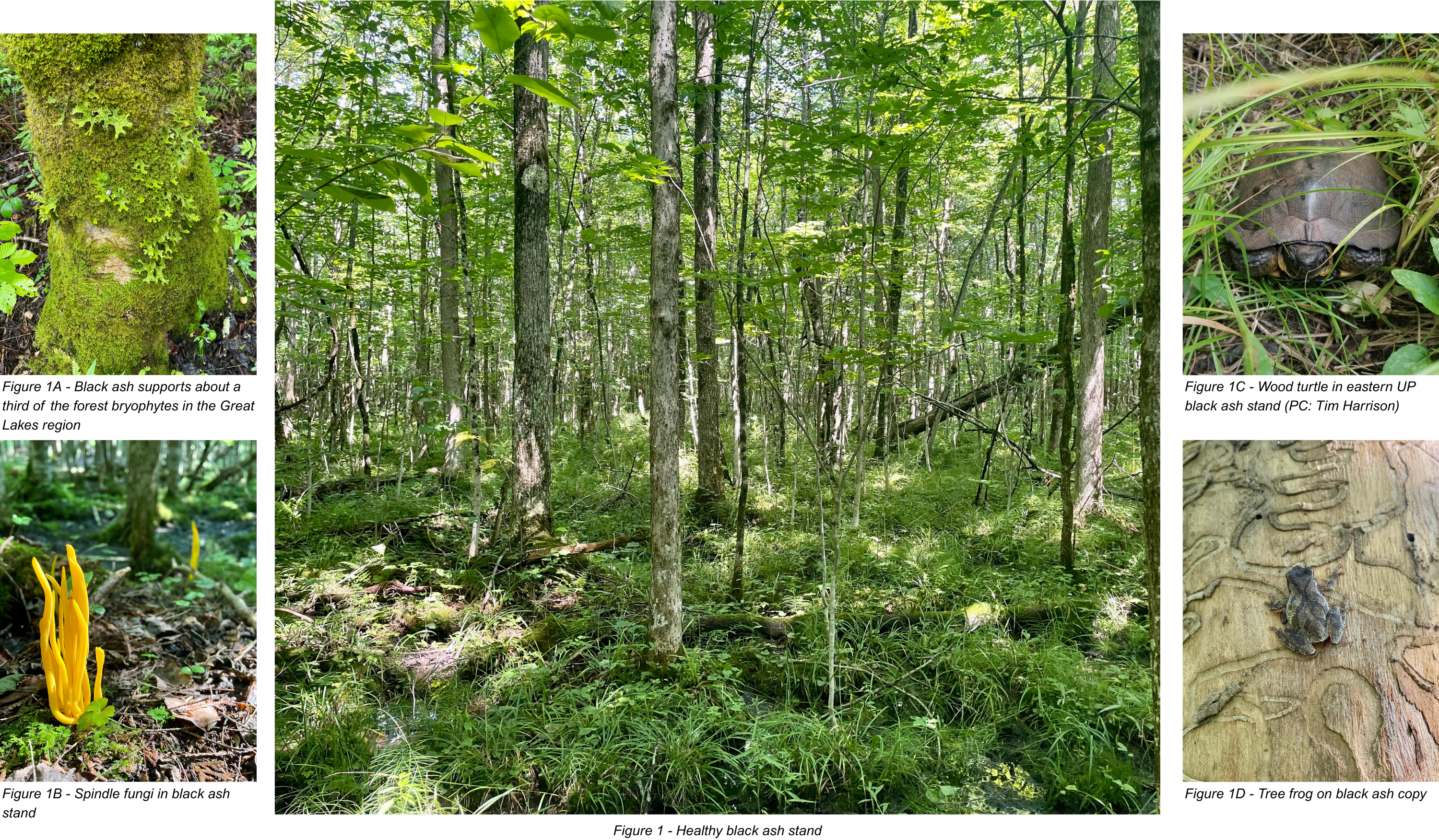
Black ash (Fraxinus nigra) is a unique tree that is often abundant in wetland forests and riparian areas from the Great Lakes states east to Maine in the US, along with much of southeastern Canada from Ontario to the Maritimes. Ecologically, black ash is a foundational species, driving nutrient dynamics, regulating hydrology and providing vertical structure, habitat and food for many organisms (Figure 1A-D). Overstory trees in riparian areas shade rivers and streams, while leaves that drop in autumn are a high-quality nutrient source for many aquatic organisms.
Black ash is also an integral component of the cultural traditions and lifeways of many Tribal Nations in the US and First Nations in Canada (Figure 2). Black ash, also known as brown ash, is prominently featured in origin stories, ceremonial practices, and centuries-old basketry traditions (Figure 3A-D).
Unfortunately, the future of black ash is threatened by emerald ash borer (EAB; Agrilus planipennis), an invasive beetle that has caused widespread tree mortality since it was first detected in Michigan in 2002 (Figure 4). Black ash is highly preferred by EAB beetles and is also highly vulnerable to infestation, compared with other North American ash species. Emerald ash borer is already well established within much of the range of black ash. When compared with other ash species, the onset of decline and the rate of overstory black ash occurs rapidly.
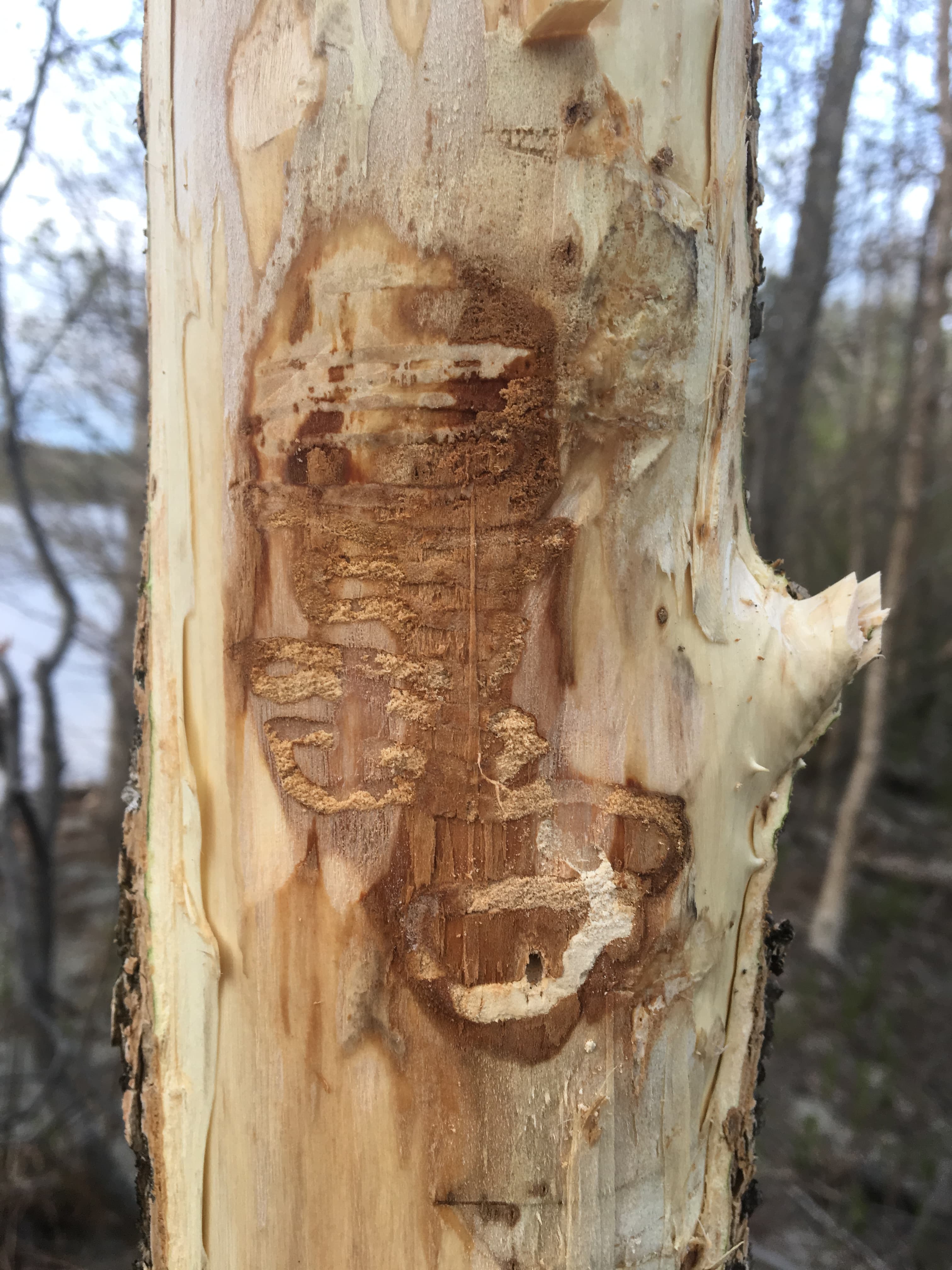
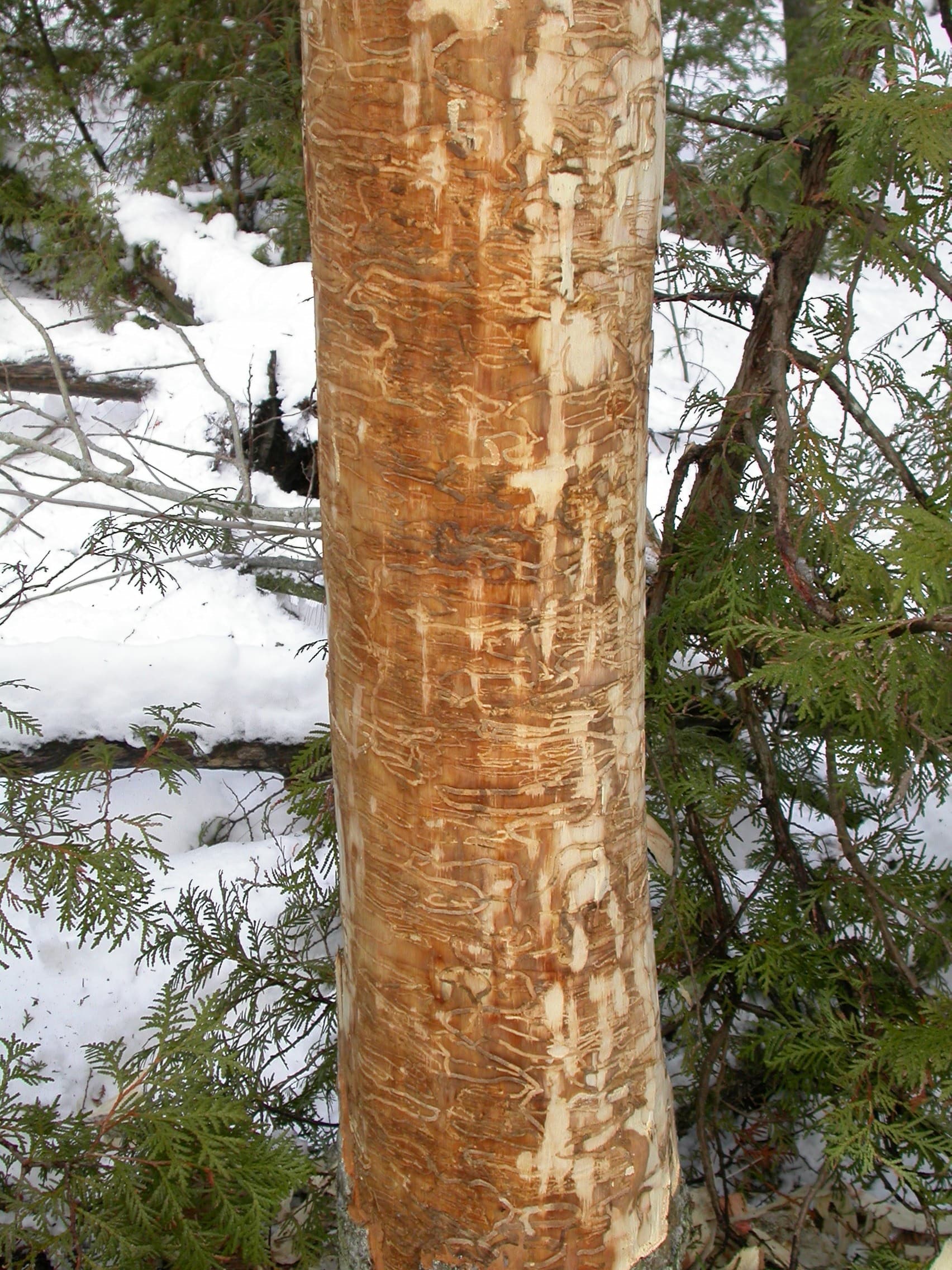
Larvae, the immature stage of EAB, feed beneath the bark in S-shaped tunnels, called galleries (Figure 5). A few galleries will have little impact on the vigor of most overstory trees. Recently infested trees typically have no external signs or symptoms of EAB infestation for at least 2-3 years after they are colonized. Over time, as beetles reproduce, the density of larval galleries will increase (Figure 6), disrupting the ability of trees to transport nutrients and water.
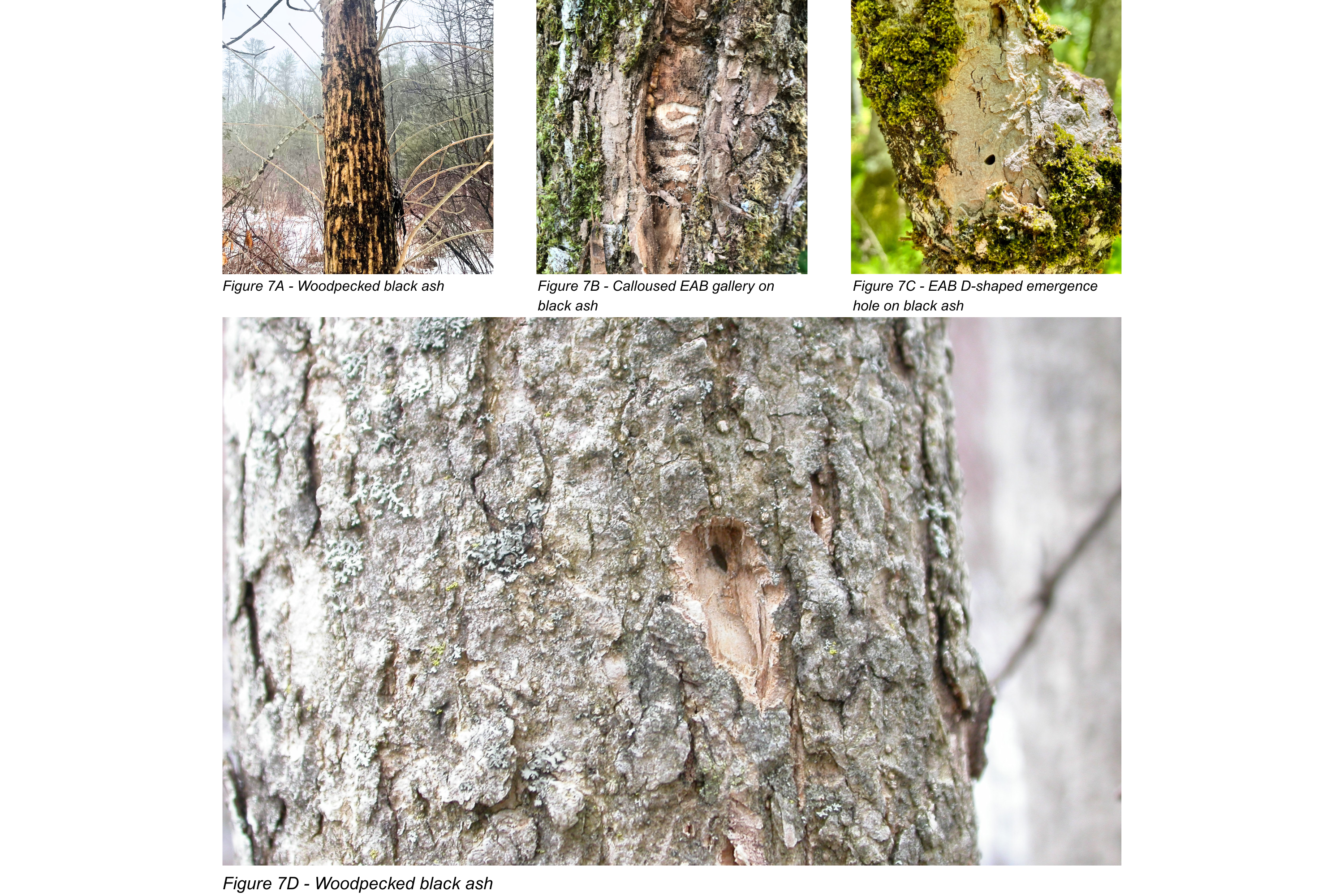
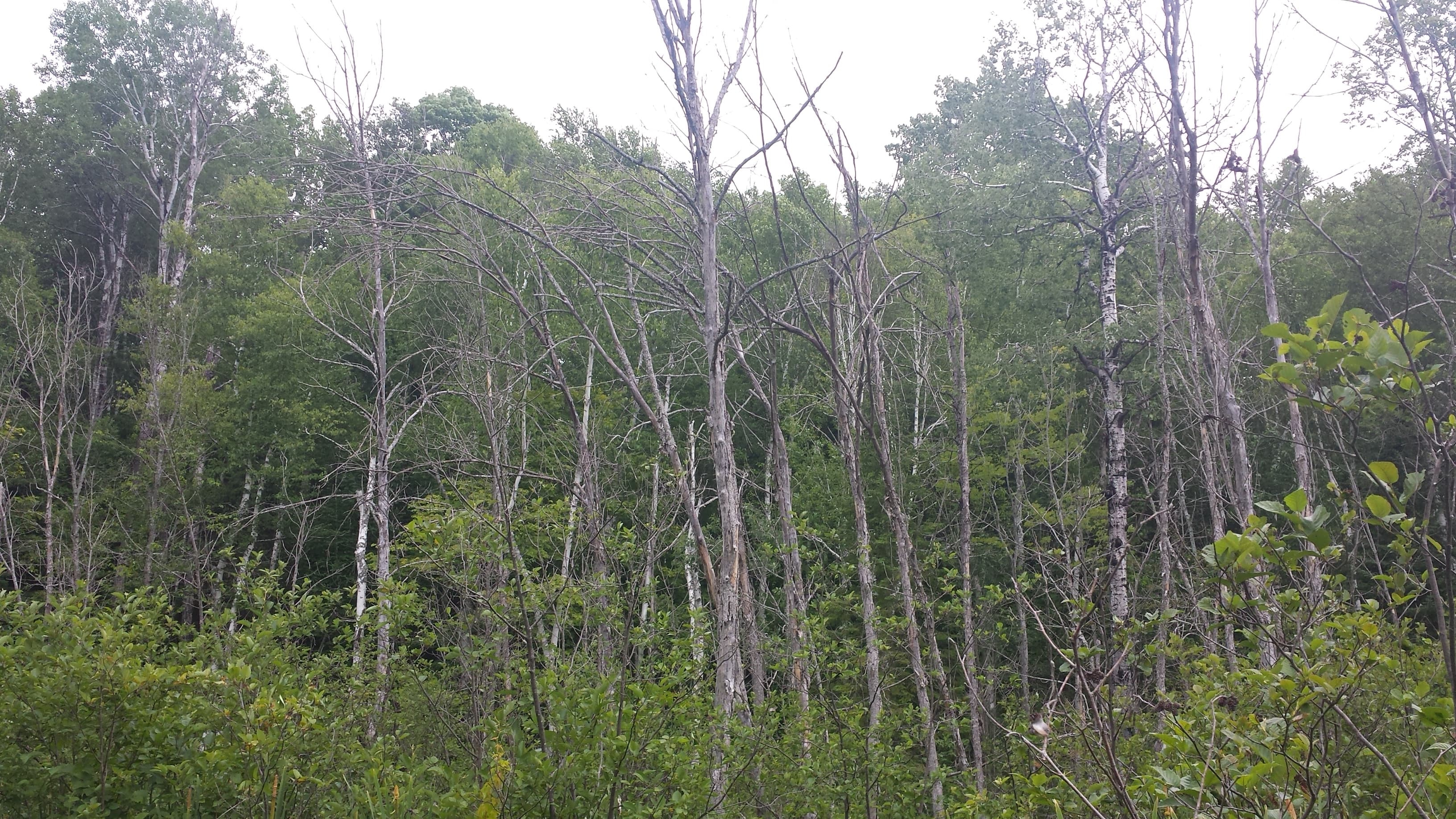
As EAB density builds, signs of infestation become apparent, including holes left by woodpeckers preying on EAB larvae, epicormic sprouts, thin and declining canopies, bark cracks with visible galleries underneath and small D-shaped exit holes left by emerging EAB adult beetles (Figure 7A-D). Black ash overstory trees typically begin to die within 4-6 years of EAB colonization. Mortality progresses until virtually all overstory black ash trees in a stand have been killed by EAB (Figure 8). As overstory trees succumb, EAB beetles begin to colonize smaller trees. Black ash that are more than 1-inch diameter can be infested and killed.
As EAB density builds, signs of infestation become apparent, including holes left by woodpeckers preying on EAB larvae, epicormic sprouts, thin and declining canopies, bark cracks with visible galleries underneath and small D-shaped exit holes left by emerging EAB adult beetles (Figure 7A-D). Black ash overstory trees typically begin to die within 4-6 years of EAB colonization. Mortality progresses until virtually all overstory black ash trees in a stand have been killed by EAB (Figure 8). As overstory trees succumb, EAB beetles begin to colonize smaller trees. Black ash that are more than 1-inch diameter can be infested and killed.
Based on EAB impacts to date and the ongoing spread of this invader, the entire range of black ash is at risk. Recent projections indicate that within 10 years, more than 75% of black ash basal area will be lost across 85-90% of its range (Figure 8). Moreover, during the next two decades, >95% of the basal area will likely be lost across 99.8% of the black ash range across both the US and Canada.
-
-
-
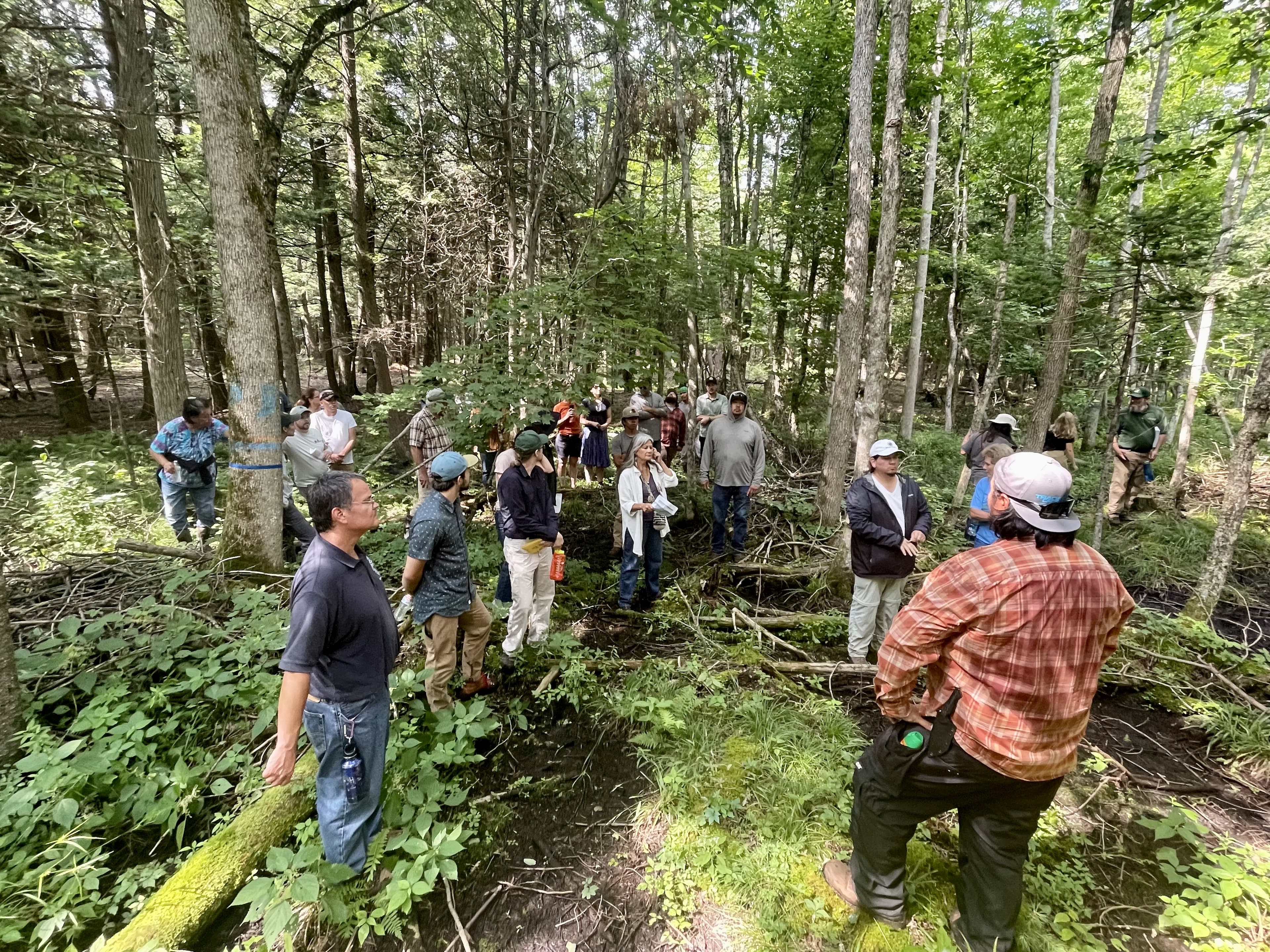
Consequently, there is growing interest in applying EAB management tools and techniques to protect and preserve black ash in forested settings for an array of ethical, cultural, ecological and conservation reasons (Figure 9). In this bulletin, we summarize information on current management tactics, including options for integrating multiple management tools. We also address how management tools can be combined with silviculture to protect black ash stands ahead of or during the early stages of EAB invasion.
Management Options
No Intervention
If no action is taken to control EAB and protect trees, widespread mortality of black ash will occur, including overstory trees and most stems ≥1-inch DBH. Post-invasion assessments in forested wetlands and riparian areas have consistently documented complete mortality of larger diameter black ash (>4-inch DBH) followed by nearly complete mortality of smaller black ash (1 to 4-inch DBH). This progression effectively creates an orphaned cohort consisting of black ash saplings (<1-inch diam) and smaller seedlings that germinated in previous years. As mature, seed-producing trees die, newly germinated black ash seedlings will become increasingly rare or simply absent.
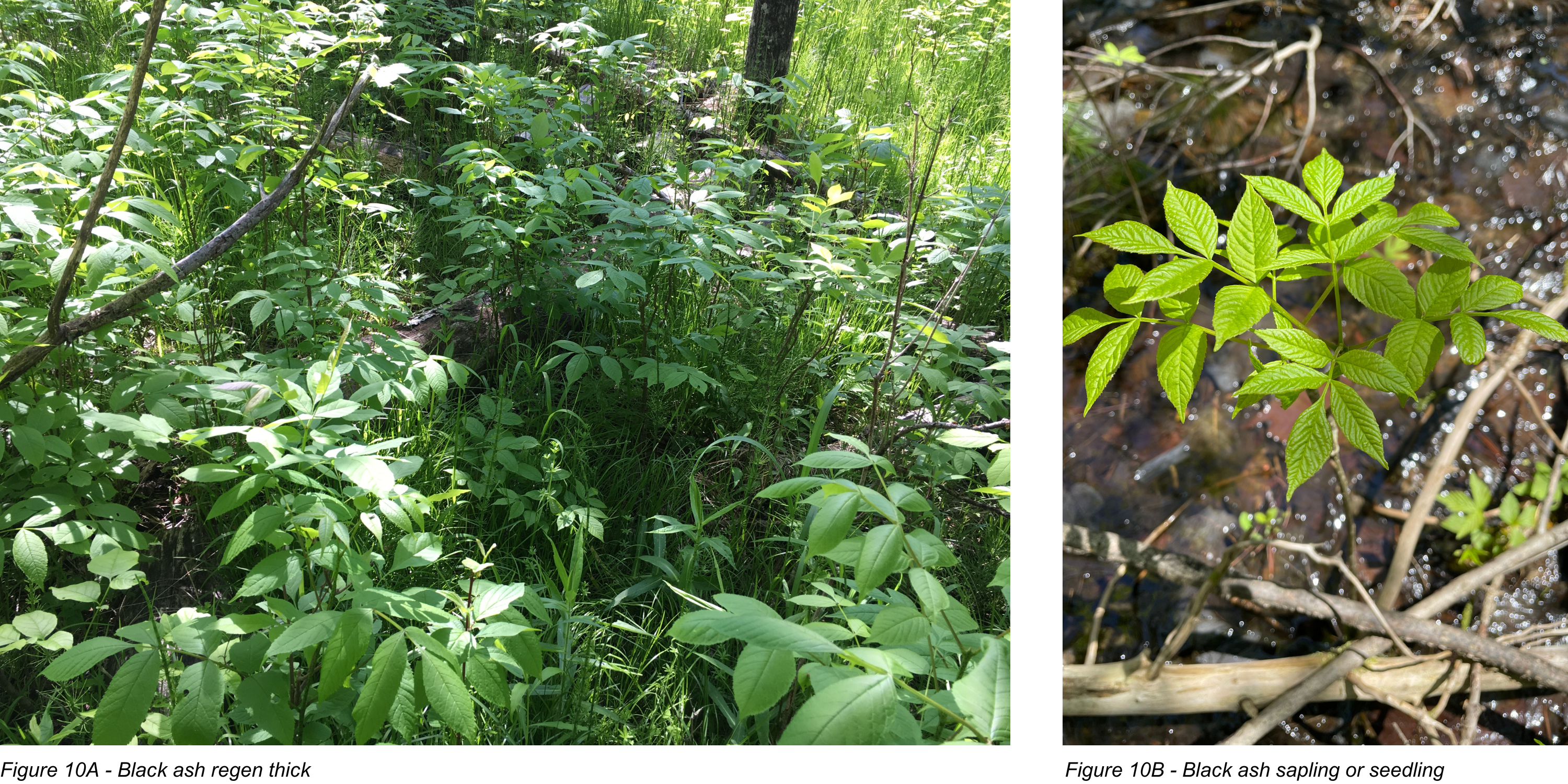
Presence and density of live black ash regeneration vary substantially from site to site (Figure 10A-B). Recent studies have shown that small, suppressed black ash can respond to increased light that becomes available as larger trees die. However, even after overstory trees die, low-density “endemic” populations of EAB persist. As saplings and seedlings grow into 1-4 inch diameters, they are likely to become infested, decline and die within a few years.
Long-term success of black ash regeneration is tenuous in post-invasion stands originally dominated by black ash. Mortality of overstory trees leads to long-lasting changes in hydrology, which in turn alters numerous ecological functions. Forested wetlands may simply transition to open wetlands or co-occurring tree species may become dominant. Regeneration success may be further impacted by deer browse, encroachment of non-ash species, and establishment of invasive plants.
Insecticides
Systemic insecticides to protect individual trees from pests are widely used by arborists and urban foresters, but the use of these products is increasingly common in forested settings as well. Land managers, property owners and foresters in many states are using systemic products to reduce densities of destructive invasive pests to protect watershed functions, conserve seed sources and maintain genetic diversity.
-
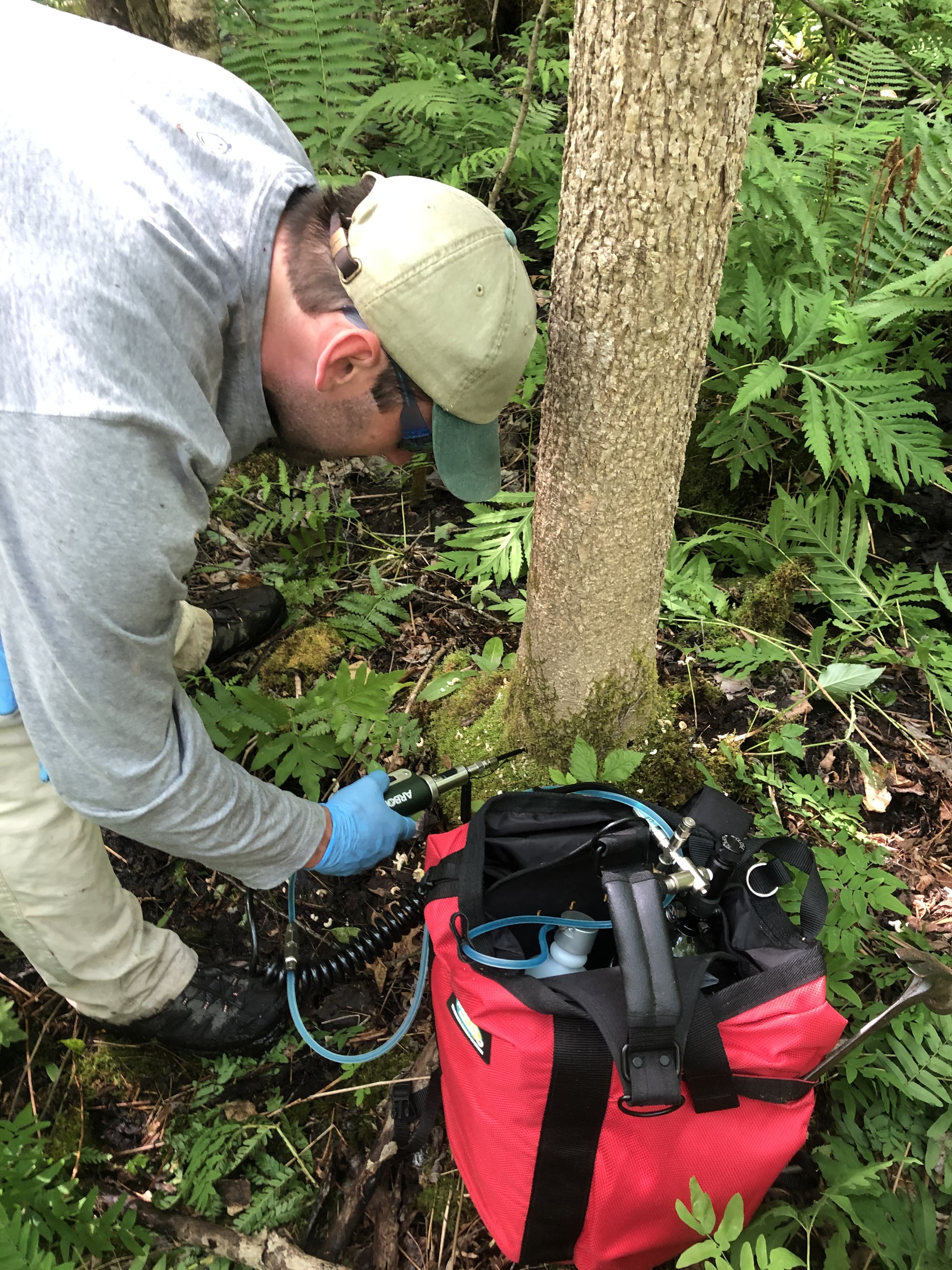
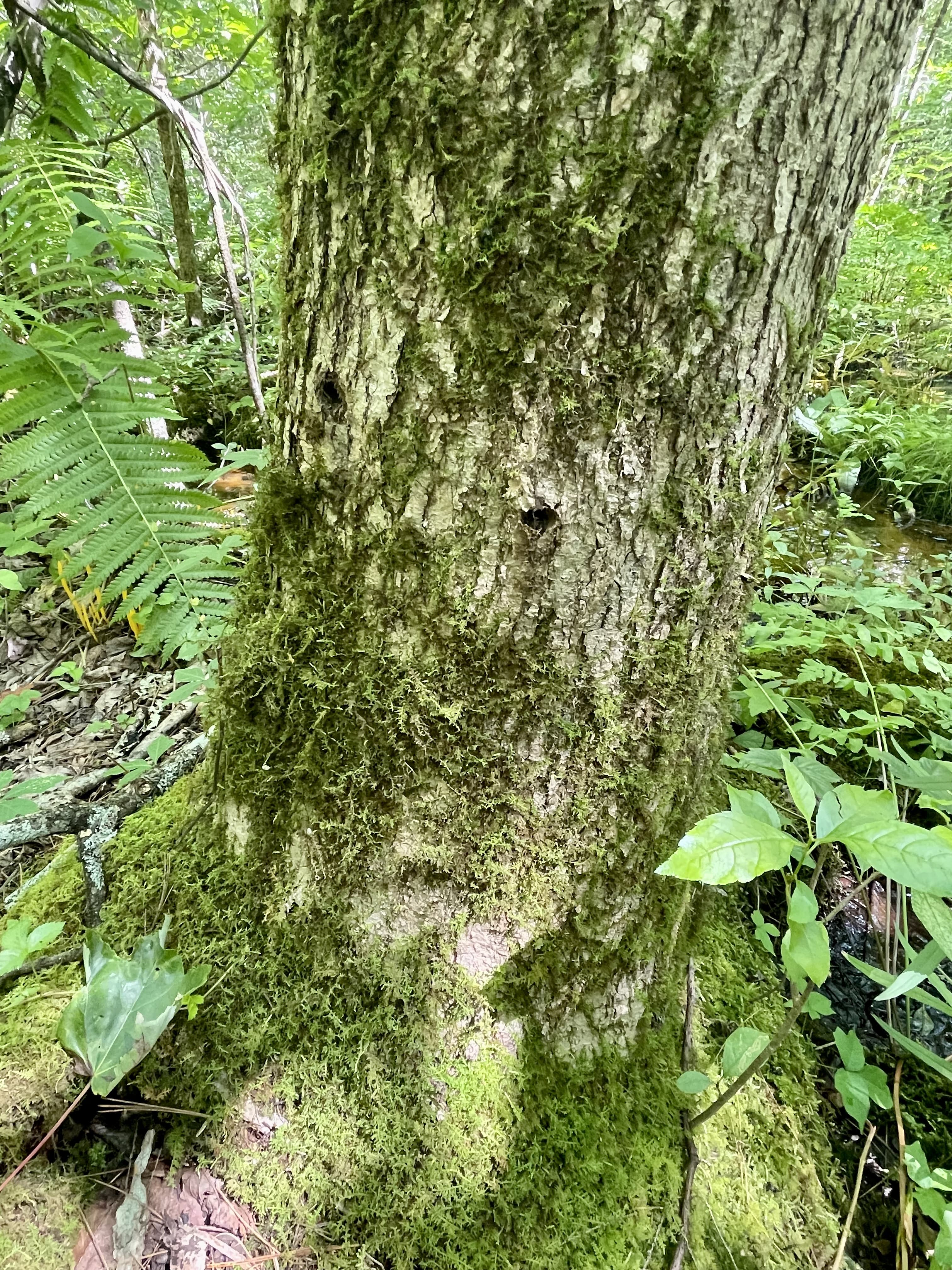
Systemic insecticides are typically applied to the base of trees (Figure 11), then transported within the tree in water-conducting xylem tissue (sapwood) up the trunk and into the canopy branches and leaves. Unlike traditional insecticide cover sprays, systemic products can control insects feeding beneath the bark or at the top of tall trees, with minimal exposure for applicators and no drift issues. These products do not affect non-target insects that simply land on treated trees; only insects that actually feed on the tree encounter the insecticide.
-
-
Several formulations of systemic insecticides are available for protecting ash trees, although the efficacy and persistence of different compounds vary. Products with emamectin benzoate, applied by injecting the compound into the lower portion of the trunk, consistently provide highly effective control of EAB (Figure 12). Studies have shown applying emamectin benzoate in spring provides three years of nearly complete protection from EAB. Products with azadirachtin, also applied via trunk injection, can protect trees for one or sometimes two years, depending on the local EAB density. This product does not control EAB adults but can disrupt the ability of EAB larvae to successfully molt and grow. Dinotefuran products can be efficiently applied as a basal trunk spray in stands that are not flooded. If ash trees are treated annually, dinotefuran can be highly effective.
Treating a portion of the black ash trees in a stand annually is a practical option to maintain desired hydrology, habitat and many ecological functions. Trees can be treated on a rotating basis to ensure that some trees are effectively protected from EAB each year. This approach can reduce local EAB density, partly by controlling adult beetles as they feed on ash leaves, as well as controlling larvae within treated trees. Individual seed-producing trees can also be prioritized for treatment with systemic insecticides to promote new regeneration and conserve genetic diversity.